(Image source from: Canva.com)
Many individuals believe that supplements are entirely safe since they are regarded as natural products. A recent study indicates that herbal and dietary supplements are classified as food and refer to products taken orally that have dietary components meant to enhance the diet. However, it is crucial to recognize that some supplements may put additional stress on your kidneys or liver, particularly if those organs are already having problems. Damaged kidneys cannot filter waste efficiently, and a compromised liver might not process certain substances properly. In such situations, it is vital to be cautious with supplements and herbs that might be safe for most people but could pose risks for those with kidney and liver concerns.
Supplements to steer clear of if you have kidney and liver problems:
Green tea extract: As mentioned in the journal CLD Clinical Liver Disease, drinking a cup of green tea is safe for most, but concentrated green tea extract pills contain very high amounts of catechins, particularly epigallocatechin gallate. Taking these compounds in large quantities can lead to liver inflammation and, at times, serious liver damage. This is especially concerning for those with existing liver issues.
High-dose protein powders: Protein powders designed for bodybuilding and weight gain may place additional pressure on your kidneys. If you consume more protein than your body needs, your kidneys will have to work harder to remove nitrogenous waste. This could speed up the decline in people suffering from chronic kidney disease.
Excess fat-soluble vitamins (A, D, E, K): Unlike vitamins that dissolve in water, surplus fat-soluble vitamins can accumulate in your body and may reach toxic levels. For instance, excessive vitamin A can burden the liver and might cause significant liver damage. Vitamins D and E can also trigger issues if taken without doctor supervision, particularly among individuals with weakened kidney or liver functionality.
Iron supplements without prior testing: Iron is necessary, but consuming iron supplements without knowing your current levels can lead to buildup in the liver. This can result in a condition known as haemochromatosis, which inflames and damages the liver and other organs. According to the Journal Statpearls, haemochromatosis refers to excessive iron accumulation in body tissues that hampers multiple organ functions. Normally, the body regulates iron absorption carefully; however, in haemochromatosis, it absorbs much more iron than necessary and struggles to dispose of the excess.
Herbal remedies associated with liver toxicity: Certain herbs have been specifically linked to liver damage, as indicated by case reports and warning notices:
Comfrey - It may have compounds that can significantly harm the liver.
Black Cohosh - Often used during menopause, but also associated with liver toxicity concerns.
Garcinia Cambogia - Frequently found in weight loss products but also recognized for causing liver injury.
Numerous traditional herbs contain active ingredients that are not effectively regulated, leading to significant variations in strength and quality.
Licorice root: Supplements containing licorice root are taken for stomach issues or to support the adrenal glands, but they have glycyrrhizin in them, which may increase blood pressure and decrease potassium levels. These side effects are especially risky for individuals who have kidney or heart conditions and could put extra strain on the kidneys. It is always best to talk to a qualified dietitian and a doctor before adding licorice root to your meals.
Supplements rich in potassium or phosphorus: Your kidneys maintain the balance of minerals in your body. If someone has kidney disease, potassium and phosphorus can rise to unsafe levels. Therefore, supplements with these minerals, such as certain plant-based vitamins or electrolyte drinks, might need to be avoided or closely managed.
Unregulated "Detox" or fat-burning pills: Products that claim to help with detoxing or burning fat usually contain a mix of stimulants, diuretics, or ingredients that are unknown. These substances can disrupt hydration, balance of electrolytes, liver processing, and kidney function. The liver specifically has to break down these ingredients, leading to oxidative stress and inflammation.
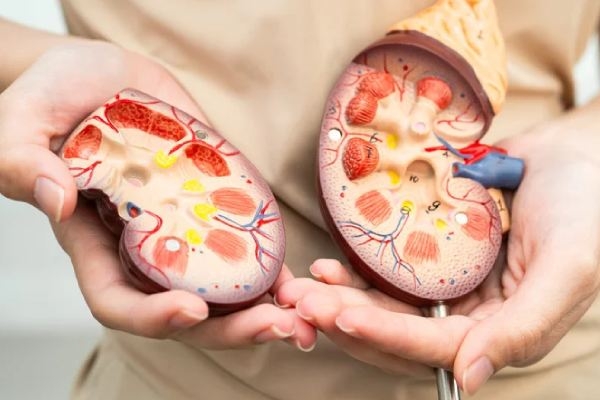
Both the kidneys and liver are crucial for filtering, processing, and removing substances from the body. When these organs are already weakened due to chronic illnesses, alcohol consumption, medications, diabetes, or aging, introducing additional chemicals without medical advice increases the chance of harming these organs further. Many supplements do not meet the same regulations as medications. The actual ingredients can vary, and it is not unusual for them to be contaminated with heavy metals or undisclosed substances. This creates an added level of risk for organs that are already at risk.